Nurture Support
Our Nurture Room
As our latest Ofsted report (January 2019) states:-
‘Pastoral support is strong, and the school has a very caring ethos.’
‘(Parents) praise the school for the links it has with the community and the pastoral support their children receive.’
Pupils have helped design the new space with furniture, resources and equipment. Such resources have been specifically chosen to ensure the strong culture, vision and ethos at Laceby Stanford Primary Academy is represented as we work to ensure positive well-being continues to be an important aspect our school life.


Our hub is a wonderful, calm space. Here pupils can access games, activities and strategies to help ensure their health and well- being needs are addressed. In addition, this tranquil space is used for calming down opportunities and time for reflective thought, pastoral support sessions and parent/carer meetings.
At Laceby Stanford Primary Academy we believe that good pastoral support focuses on nurturing and supporting the individual needs of each child. We ensure that the support needed is recognised and implemented, with all teachers and support staff working cohesively together with the school’s inclusion team. We support a range of children who are having a range of emotional difficulties that can impact on their learning.
These areas of the SMSC curriculum are key themes Ofsted will be monitoring, under the new Ofsted framework (from September 2019.) Amanda Spielman, Chief Inspector of Schools, has said that she “agrees that mental health and well-being are important issues” which is why personal development will be one of the four judgments proposed in the new framework.
We provide:
- A quiet nurturing space for children to feel safe and secure, to regulate large emotions or have time for reflective thought (The Hub and Calm spaces located close to each class room)
- Support for children and parents in the playground at the beginning of the school day.
- 1-1 sessions with identified vulnerable children.
- Small group support following specific programmes to target specific social, emotional, mental health needs for identified children
- Worry boxes in each class for children to raise any worries or concerns.
- A “Box of Calmness” in each classroom
We aim to develop positive relationships with children and their families, responding promptly to any issues to ensure difficulties are discussed and resolved.
Introducing our Learning Mentor
Our Learning Mentor at Laceby Stanford Primary Academy is Mrs Jones.

Another important part of the pastoral team’s role is to provide support and information for the parents and carers at the school. We have information on a range of issues, agencies and support services and we can give advice and support in accessing these different services as well as referring to other agencies that can offer more specialist support if needed.
Who can refer to a Learning Mentor?
Teachers, school staff, parents/carers and children themselves can ask for Learning Mentor support. The Learning Mentors will then decide what this support will look like and make contact with the family. You can ask the school office or Learning mentors for a referral form.
If you have any concerns about your child in or out of school or would like to have a chat with the Learning Mentor about what we can offer, please don’t hesitate to get in contact with us.
How long will my child see a Learning Mentor?
It depends on each child. Children come for as many sessions as they need ranging from one or two sessions, to more long term mentoring. The work is reviewed regularly.
Pastoral Support
Our vision and aims
Our Vision is to:
At Laceby Stanford Primary Academy, every child matters and all children need to feel safe, valued, special, appreciated and included. We want every child coming to our school to feel happy, content and confident, ready to embrace the day in our secure, caring and friendly environment.
However, some children face many challenges, which means that some of their social and emotional needs may be greater than those of others. By using elements of The Thrive Approach, we will help support and guide the children in our care to allow them to develop emotionally and distinguish between their feelings to help them manage these appropriately.
Lego Therapy

Lego Therapy is a social development programme for children that aims to develop social communication skills in children, such as sharing, turn-taking, following rules, using names and problem solving. It uses children's love of playing with Lego to help them develop communication and social skills.
Happy To Be Me

'Happy to be Me' is a 6-12 session programme aimed at KS1 & KS2 children who may be experiencing low self-esteem, lack of confidence, attachment problems and /or feel insecure.
A Tummy Full of Fireworks

Six session intervention programme designed to encourage, children to communicate about their emotions in a more effective way. It helps them to understand the reasons why anger occurs, how to recognise it and how to manage their feelings in an effective way but also provides coping strategies for children to use.
Stop Bugging Me

Stop Bugging Me is a six session programme that helps children to understand how thoughts, worries and concerns can happen for different reasons, to different people at different times and how we can focus on our worries in a positive way.
Theraplay

Theraplay is a child and family therapy for building and enhancing attachment, self-esteem, trust in others, and joyful engagement. It is based on the natural patterns of playful, healthy interaction between parent and child and is personal, physical, and fun.
Outdoor Learning

In outdoor settings, children are more motivated to work together in groups, which can improve their social skills. They learn to manage conflicts, communicate, and cooperate with their peers in a more effective manner. Outdoor learning provides children with hands-on experiences in nature; develop reflective and inquisitive thinking along with problem-solving approaches in 'real' situations. Outdoor learning also encourage holistic development of children and develop resilience and adaptability in occasionally adverse circumstances.
Art Therapy

Art therapy is a form of expressive therapy that uses the creative process of making art to improve a person's physical, mental, and emotional well-being.
Emotional Literacy

Emotional Literacy is the term used to describe the ability to understand and express feelings. Emotional Literacy involves having self-awareness and recognition of one's own feelings and knowing how to manage them, such as the ability to stay calm when angered or to reassure oneself when in doubt.
Cooking

Spending time in the kitchen and cooking new recipes helps children to develop a positive connection to all different types of foods including fruits and vegetables. Forming a positive experience with fresh foods is so important because healthy foods are the foundation for good nutrition. Children will learn how to work as a group, communicating, measuring and also following instructions to complete a recipe. Children will also learn basic cooking skills that they can use for the rest of their lives.
Friendship Terrace

A series of 10 fun, short stories, with discussion questions, about characters who live on Friendship Terrace, including Fitzroy First, Bragging Bradley, Manisha Mine and Rough Ryan. The stories and scenarios are especially relevant for children with difficulties in forming relationships and friendships. This programme helps children recognise ‘friendship blockers’ and ‘friendship builders’.
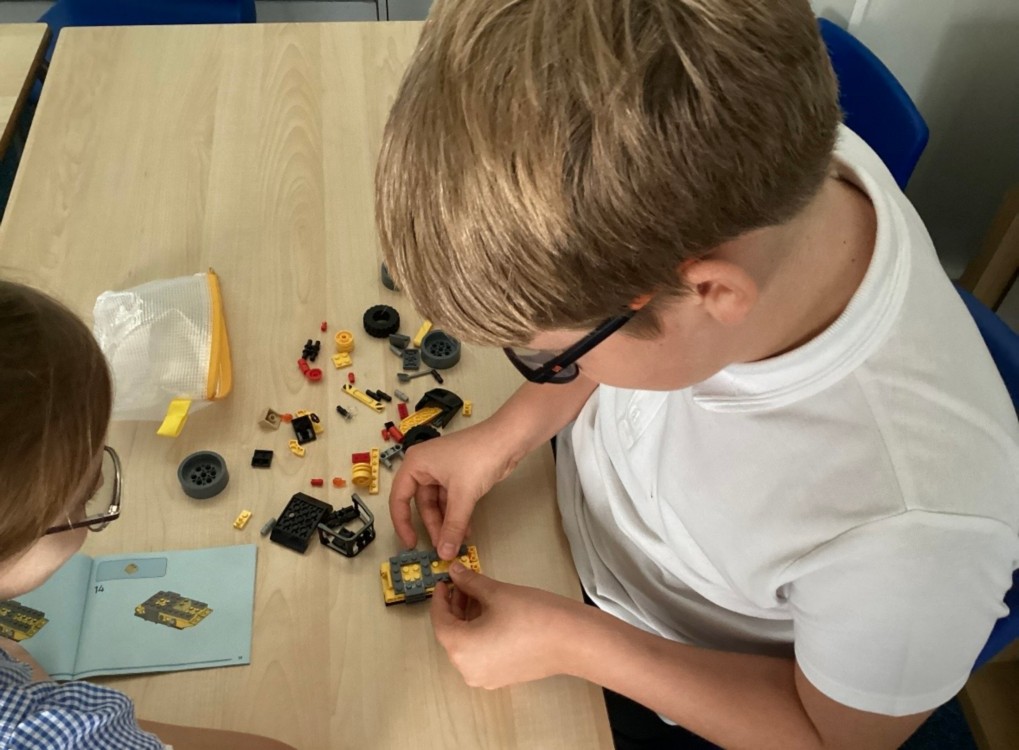
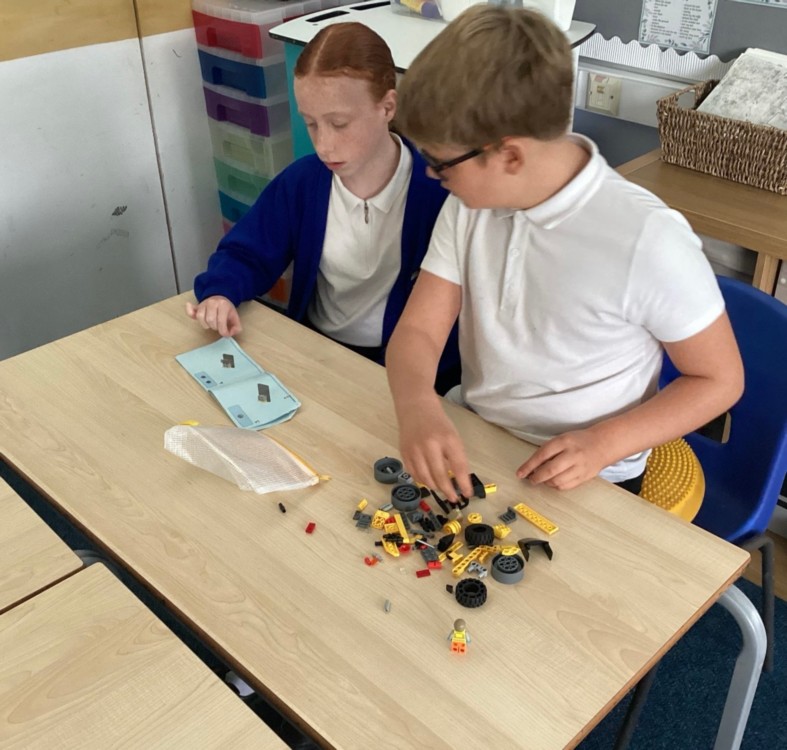
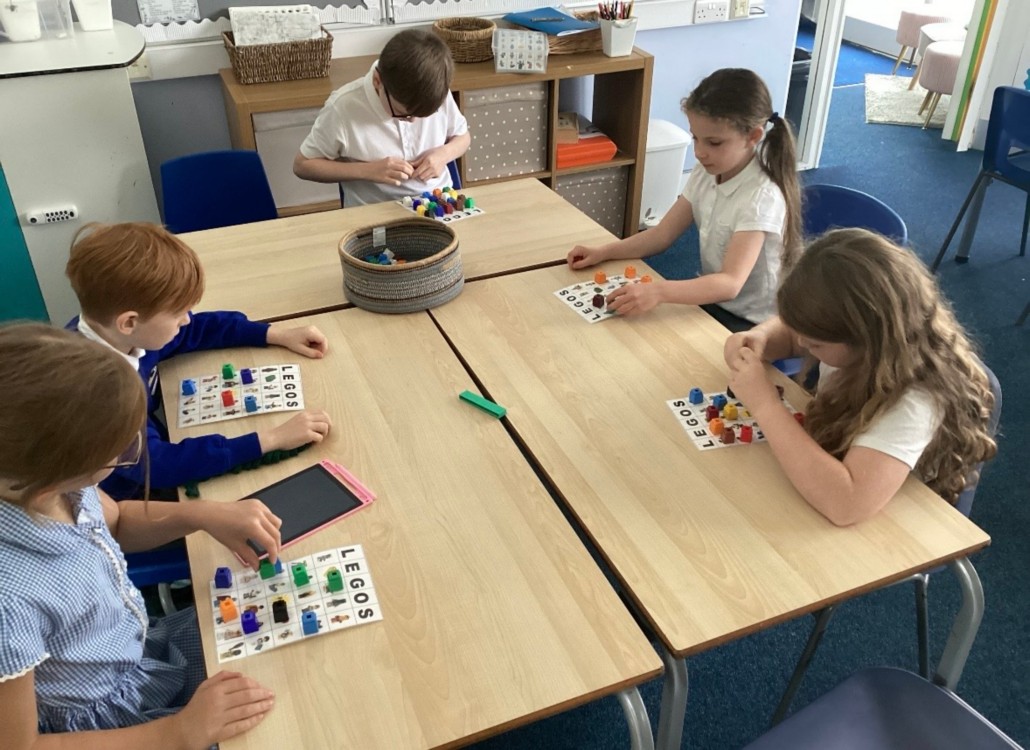
Lego Therapy
Lego Therapy is a fun, engaging and structured intervention that supports children to develop their social communication, teamwork and emotional regulation skills. Through collaborative Lego-building activities, children are encouraged to work together, take turns, listen to others, share ideas and solve problems as a team. The programme provides opportunities to practise important social skills, including communication, cooperation, patience and managing frustration when things do not go as planned. Delivered in a safe and supportive ELSA environment, Lego Therapy helps children build confidence, develop positive relationships and recognise the importance of understanding other people's thoughts and feelings. It can be particularly beneficial for children who find social interactions challenging, supporting them to develop the skills they need to form friendships, navigate social situations and feel more confident and included within the school community.
Theraplay
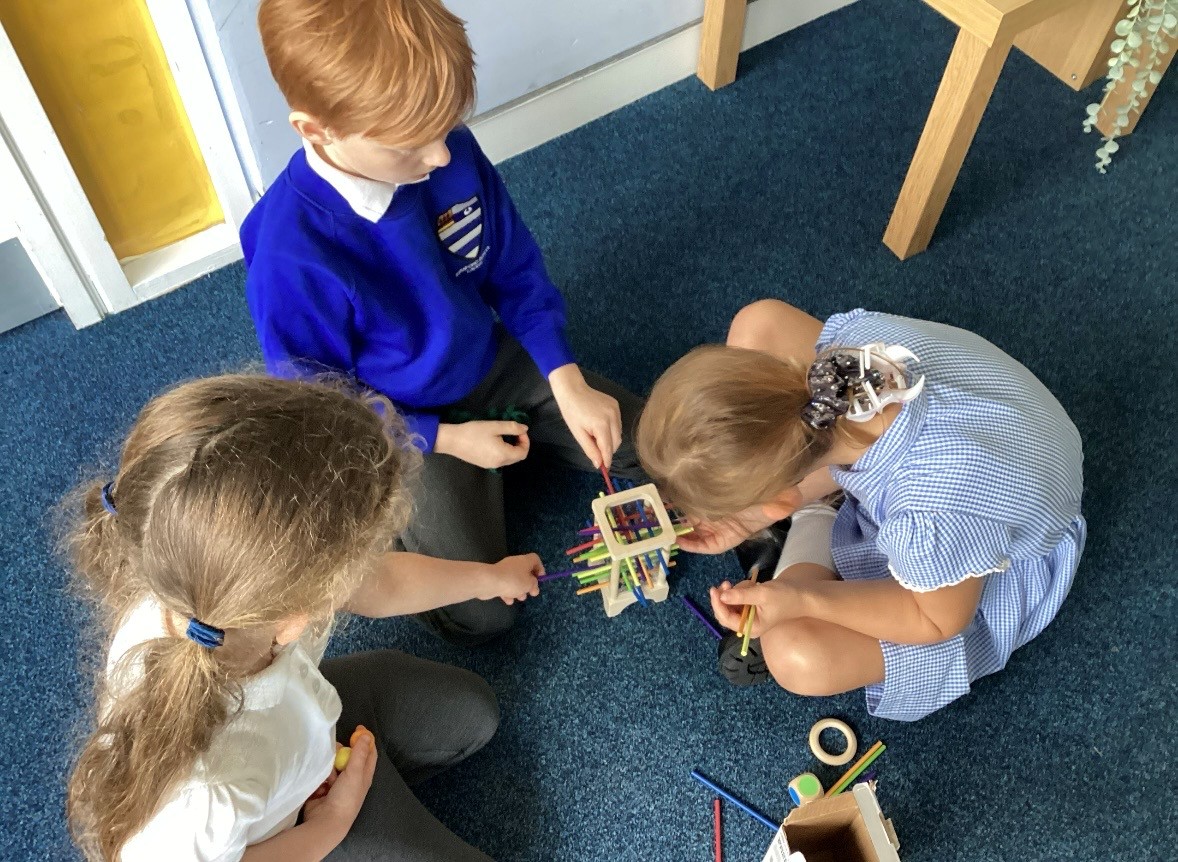
Theraplay is a playful, engaging and relationship-based approach that supports children to develop positive relationships, emotional wellbeing and a sense of safety and belonging. Through fun, interactive activities focused on connection, nurture, structure and challenge, children are encouraged to build trust, develop confidence and strengthen their ability to interact positively with others. Within an ELSA setting, Theraplay-inspired activities provide opportunities for children to explore emotions, practise communication skills, develop self-regulation and experience positive interactions with a trusted adult. The sessions take place in a safe, supportive and nurturing environment where children feel valued, understood and encouraged. Theraplay can be particularly beneficial for children who experience difficulties with emotional regulation, attachment, social interaction or managing relationships, helping them to build resilience, develop positive connections and feel more secure and confident both in school and beyond.
Happy to Be Me
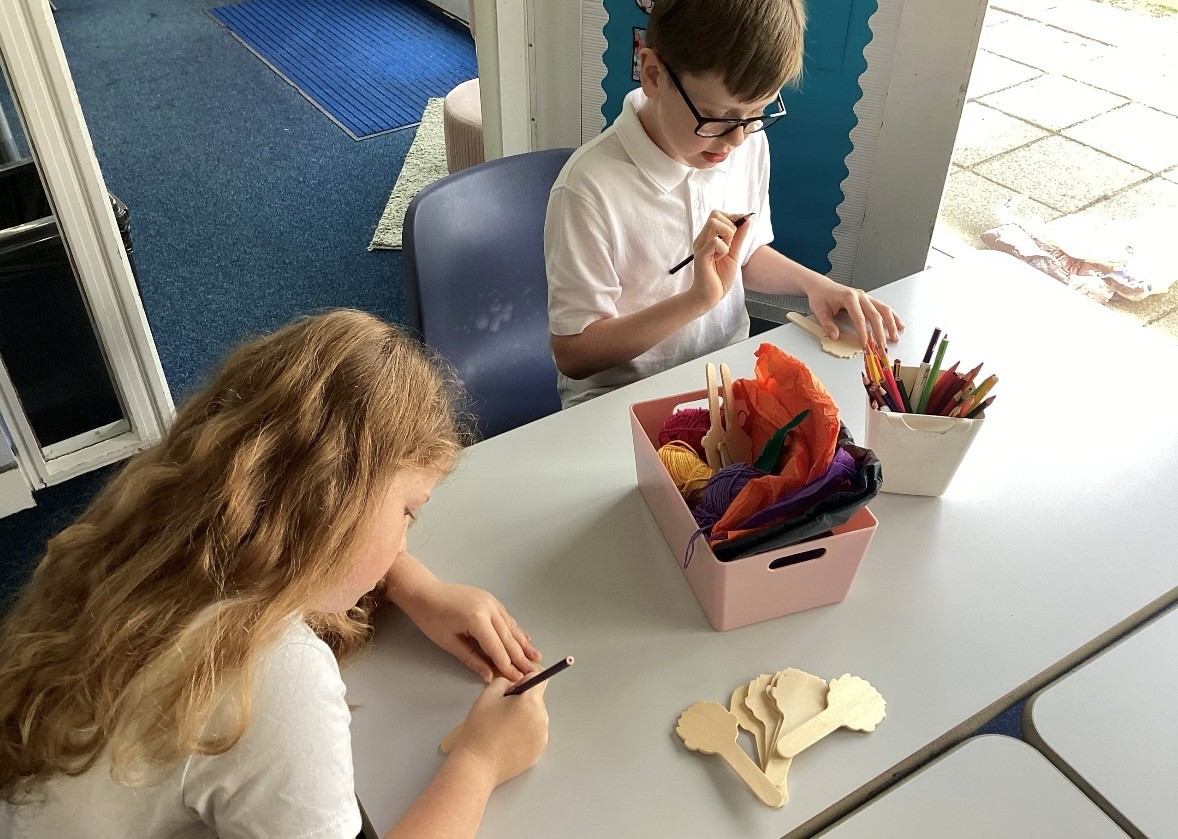
The Happy to Be Me ELSA programme supports children to develop positive self-esteem, confidence and a strong sense of self-worth. Through a range of engaging activities, discussions and supportive sessions, children are encouraged to recognise their strengths, celebrate their individuality and understand that everyone is unique. The programme helps children develop a positive self-image, explore their feelings and build confidence in their abilities, while learning strategies to manage worries and overcome challenges. Delivered in a safe, nurturing environment, the programme provides opportunities for children to express themselves, develop positive relationships and feel valued and accepted for who they are. By promoting self-belief, resilience and emotional wellbeing, Happy to Be Me helps children feel more confident, included and ready to thrive both socially and emotionally.
Our Learning Mentor
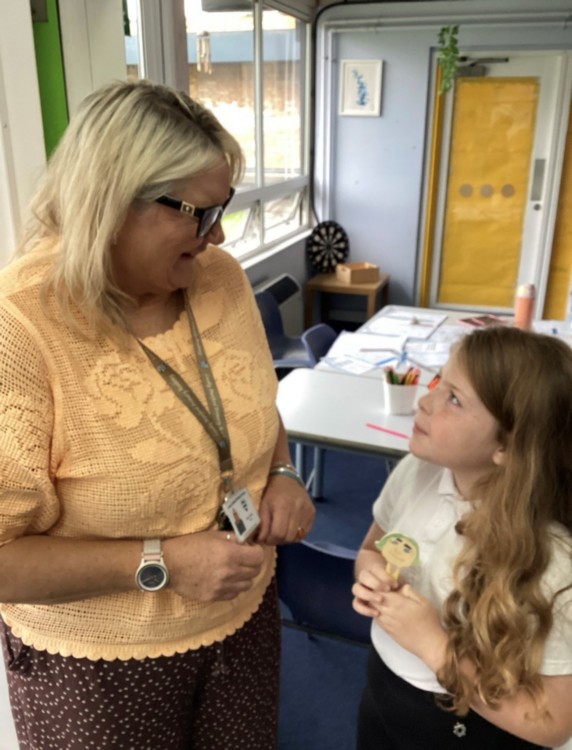
Mrs Jones is an incredibly kind, caring and supportive learning mentor who goes above and beyond for our school community. She provides our pupils with a safe, nurturing environment where they feel listened to, valued and understood, always offering a friendly face, a listening ear and encouragement when they need it most. Her compassion extends beyond the children, as she also recognises that parents and carers may experience challenges of their own and need someone to turn to for guidance, reassurance and support.
Mrs Jones approaches every situation with empathy, understanding and kindness, helping families feel supported without judgement. She truly makes a difference to the lives of our pupils and their families, and her dedication, warmth and commitment to the wellbeing of our school community make her such a valued member of our team.
The Tummy Full of Fireworks
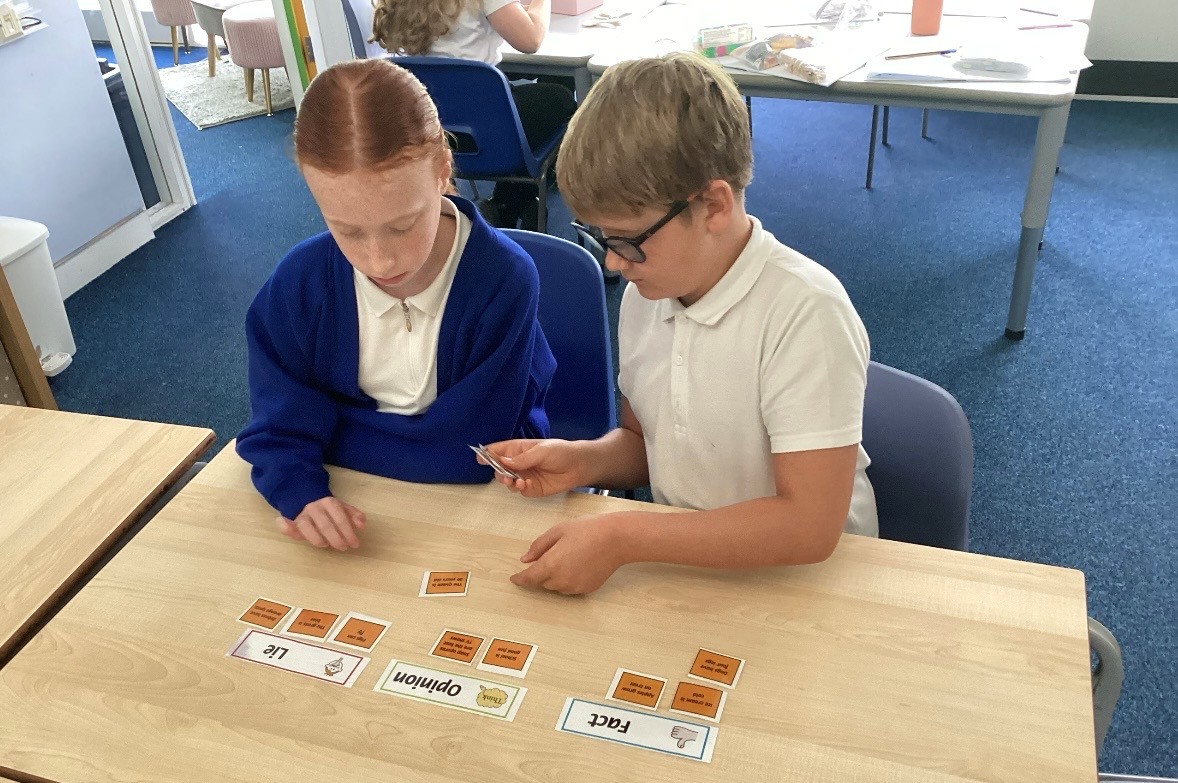
The Tummy Full of Fireworks ELSA programme is a supportive and nurturing intervention designed to help children understand and manage their emotions, particularly feelings of anger, frustration and worry. Through engaging activities, discussions and practical strategies, children learn to recognise the physical signs of their emotions, understand what triggers certain feelings and develop positive ways to regulate themselves. The programme helps children build emotional awareness, resilience and confidence, while equipping them with strategies to manage challenging situations more successfully. Delivered in a safe and supportive environment, it encourages children to express their feelings, develop self-control and build positive relationships with others, supporting their emotional wellbeing both in school and at home.
Litter pickers
Keeping our school clean!! Fantastic helpers, thank you! Litter pickers and gardeners helping keep the environment beautiful for everyone!!


Parent/Carer Cooking workshop🧑🍳
Last week we held a parent and child cookery workshop with some of our pupils who attend Nurture. They worked together to make an afternoon tea! A wonderful afternoon had by all!


Bird Feeders
Our outdoor learning group have been recycling to make bird feeders. They used milk cartons to place bird seed in, and made them attractive by using feathers and colour. We used cross curricula skills from DT to PSHE to look at why we used milk cartons to help environment to knowing what skill we needed to use to make the bird feeders. This helped us to feed the birds during these cold months, and also draw more birds to us during our big garden bird watch.


Peer Mentoring
This week has been a fantastic week for all. The children were enjoying some of the festive activities like 'grape grinches' and 'marshmallow snowmen sleighs'. It was a perfect opportunity for peer mentoring, one child said "I really enjoyed working with the younger children and think of myself as a really good role model."


Here is a range of photos of our Nurture sessions in action!


Events
Peer Mentoring Training with Compass Go!
At Laceby Stanford Primary Academy we care about positive mental health and wellbeing and want to support anyone who may need help. Sarah at Compass Go came this week to train some of our Year 5 and 6 pupils to become our new Peer mentoring group. This group learnt all about positive well-being and what they can do to support others who may be struggling- offering advice, finger breathing, grounding technique etc These pupils will be a champion to our peers! Listening to what pupils need, helping others to improve their own wellbeing and learning about mental health. We want tio ensure ALL pupils at Laceby Stanford Primary Academy:
- Feel good in both body and mind
- Feel enjoyment or calmness
- Are interested in new things
- Have healthy relationships and friendships
- Know how to manage a bad day or situation
Our Peer wellbeing Ambassadors can help! Keep updated with their progress in school!


Healthy Eating Workshop
A wonderful workshop took place Thursday afternoon for parents and their child. Working with Mrs Jones, our Learning Mentor, they explored healthy eating and made a fantastic fruit crumble. They used many life skills which included weighing, peeling, slicing and the rubbing method for the crumble to go on top. Everyone was given a recipe to follow and had an enjoyable afternoon!
' Lovely event, great atmosphere, very relaxed and friendly. An excellent opportunity to take part with my child in a small group!'
' What a wonderful experience. Mrs Jones has done a sterling job. Really lovely to be asked to be [art of my child's school lessons- Thank you!'
' We really enjoyed the cooking- it was lots of fun!'


What is Thrive?

Thrive is a therapeutic approach to help support children with their emotional and social development.
The Thrive approach offers practical strategies and techniques and is built around identifying children’s emotional development and looks at their individual needs.
Research has shown that how we behave is linked to how we feel and our emotions are linked to how we learn. By teaching children to recognise and notice these feelings and emotions it can help with their development and learning.
Children sometimes need some extra support with their emotional growth and this can be temporary or over a longer period of time.
Thrive promotes their emotional and social growth by building positive relationships between a child and their peers and helps them explore and understand their feelings through various activities.
Why might my child attend a Thrive session?
Many children experience difficulties during their time at school. These may include:
- Difficulties with friendships.
- Getting into trouble at playtime.
- Finding it hard to settle in the classroom.
- Finding it difficult to manage their strong feelings.
- Not knowing who to turn to when feelings are too big to manage on their own.
These situations can lead to many different feelings which may seem overwhelming at times. They might include: anger, frustration, sadness, loneliness, confusion or anxiety.
All these feelings are very normal and happen to a lot of children. The sessions our Learning Mentors provide are to help children learn to manage their feelings and teach them strategies that will help promote their learning at school.
What will happen in a Nurture session?
The session may be on an individual basis or as part of a small group of children. During each session there will be an activity which may include:
- Story telling
- Circle games
- Arts and crafts
- Sand play
- Movement and relaxation
- Cooking and preparing food
- Role play and puppet work
- Games
Attachment, Trauma and Aces
Childhood trauma has a massive impact on the life chances of children. Trauma has an impact on the brain and how the child perceives and interacts with the world around them. It is vital that staff understand this in order to fully embrace the therapeutic approaches we aim to provide at Laceby Stanford Primary Academy.
Staff have recently received training on attachment, trauma and ACE’s with Ashley Lucas. Staff have gained knowledge on how the brain works and strategies to help support children who may have or have had trauma in their life and understand reasons for children’s behaviour.